 Visit Edinburgh Guide
Edinburgh Month by Month: When to Go
Deciding the best time to visit Edinburgh is not a temperature question, because the temperature barely moves: the coldest month averages a daily maximum of 5.9°C (43°F) and the warmest 17.8°C (64°F), a swing of under twelve degrees across the whole year. Two other things move a great deal. Daylight runs from a 22:00 sunset in mid-June to 15:38 in mid-December, which decides how many sights fit in a day. And the calendar decides the crowd: for three weeks in August the city hosts several festivals at once, and for the rest of the year it does not. This page is built on thirty years of daily climate records rather than a weather widget, so it can say plainly which month is wettest, which is driest and which has the fewest wet days — and then attach the practical consequence, because a shorter afternoon means the castle shuts at 17:00 and the palace is closed two days a week. Every price and every opening hour below was read from the venue's own site on 30 August 2026, in pounds, with a dollar approximation at £1 = $1.36. It is one page of an independent guide to the whole city, covering things to do in Edinburgh.
Quick answer The month, the rain, the daylight and what closes early
Late April to September is the stretch that works for most visits: average daily highs of 10.5°C to 17.8°C (51°F to 64°F), evenings that stay light, and every sight on summer hours. The wettest month is October at 89.9 mm, not August. The driest is April at 54.2 mm, and September has the fewest wet days of any month at 11.3. The three weeks of August are a different city — packed, brilliant and expensive — and January and February are the quiet, cheap, dark end of the year.
Key takeaways
- Rain here is frequent rather than heavy: 849.6 mm falls across 158.8 days with at least a millimetre, so the month table is an argument for a jacket rather than for a different month.
- Daylight is the real variable. Mid-June gives a 22:00 sunset, mid-December a 15:38 one — the sunrise and sunset table is what actually decides how many sights fit into a day.
- In winter Edinburgh Castle closes at 17:00 with last entry an hour before, and the Palace of Holyroodhouse is shut on Tuesdays and Wednesdays — the winter rules are where trips get wasted.
- August is festival month, and castle slots go first: a guided castle tour with entry included is the usual fallback once the official online stock has gone.
The Twelve Months, Measured
Average daily maximum temperature by month in Celsius, with the Fahrenheit reading printed underneath, computed from the Open-Meteo ERA5 reanalysis for the grid point at 55.92 N, 3.13 W across 1 January 1995 to 31 December 2024 — thirty full years and 10,958 daily records.
Annual total 849.6 mm spread over 158.8 days with at least 1 mm. Note what the chart does not show: a dry season. Rain totals barely differ between spring and autumn, which is the point of the next table. The bands below the chart are our reading of what those numbers mean for a visit, not an official classification: no authority grades Edinburgh's months.
Edinburgh Weather by Month
Averages of daily maximum and daily minimum temperature, monthly rainfall total and the count of days receiving at least one millimetre, from the Open-Meteo ERA5 archive for 1995 to 2024, computed on 30 August 2026. Fahrenheit readings are rounded conversions of the same Celsius figures, not a separate source.
| Month | Average high | Average low | Rain | Days with 1 mm or more |
|---|---|---|---|---|
| January | 5.9°C (43°F) | 2.0°C (36°F) | 73.9 mm | 13.9 |
| February | 6.7°C (44°F) | 2.1°C (36°F) | 65.5 mm | 12.4 |
| March | 8.2°C (47°F) | 2.6°C (37°F) | 60.8 mm | 12.7 |
| April | 10.5°C (51°F) | 4.2°C (40°F) | 54.2 mm | 11.8 |
| May | 13.4°C (56°F) | 6.9°C (44°F) | 65.6 mm | 13.9 |
| June | 16.0°C (61°F) | 9.8°C (50°F) | 67.3 mm | 13.3 |
| July | 17.8°C (64°F) | 11.6°C (53°F) | 77.6 mm | 14.6 |
| August | 17.6°C (64°F) | 11.7°C (53°F) | 77.8 mm | 13.4 |
| September | 15.5°C (60°F) | 10.0°C (50°F) | 62.9 mm | 11.3 |
| October | 12.2°C (54°F) | 7.5°C (46°F) | 89.9 mm | 14.2 |
| November | 8.5°C (47°F) | 4.3°C (40°F) | 73.0 mm | 13.4 |
| December | 6.2°C (43°F) | 2.2°C (36°F) | 81.1 mm | 13.9 |
The extremes to hold on to: October is the wettest month at 89.9 mm, April the driest at 54.2 mm, September the month with the fewest wet days at 11.3, and July the warmest by two tenths of a degree over August. What each month costs you is a separate question with a different answer.
The Rain Question, Answered Properly
Every guide to Edinburgh says it rains. Almost none says how much, or when, which is why people cancel October and book August. The table below groups the same thirty-year series into seasons, because that is where the surprise is.
Edinburgh receives 849.6 mm of rain in an average year. Group the months into seasons and the flat line becomes obvious.
| Season | Rain across the three months | Days with 1 mm or more | What it actually means |
|---|---|---|---|
| Spring (March to May) | 180.6 mm | 38.4 | The driest quarter, and by the narrowest margin in the record |
| Summer (June to August) | 222.7 mm | 41.3 | The most wet days of any season, despite being the warmest |
| Autumn (September to November) | 225.8 mm | 38.9 | The wettest quarter, carried almost entirely by October |
| Winter (December to February) | 220.5 mm | 40.2 | As wet as summer, with four fewer hours of daylight to dry out in |
For comparison that is less than Glasgow, less than most of the west coast, and roughly what a lot of visitors' home cities get — the difference is that it arrives in small instalments on 158.8 days rather than in a handful of downpours. Just over four days in ten see at least a millimetre, in every single month of the year.
There is no dry season here to aim for and no monsoon to avoid; the spread between the wettest quarter and the driest is under fifty millimetres across three whole months. Choosing your dates to dodge the rain is choosing on a difference you will not notice.
October is the wettest month, not August
October averages 89.9 mm across 14.2 wet days — the highest monthly total in the thirty-year series and fifteen per cent more than August, which the guidebooks tend to blame because that is when most people are here to get wet. August's 77.8 mm is barely different from July's 77.6 mm and lower than December's 81.1 mm.
The practical version: October is the month to bring proper waterproofs and to keep a wet-weather afternoon in reserve. It is also the month when the castle moves to winter hours on the first of the month, so a rained-off morning eats more of the day than it would in June.
What to wear, since the number does not tell you
The gap between the average high and the average low never exceeds 6.1°C in any month, which means Edinburgh does not have the warm afternoons that let you leave a layer at the hotel. Add wind: the city sits on a ridge between the Firth of Forth and the Pentlands, and the hills — Arthur's Seat and Calton Hill — are exposed on every side. A windproof layer changes a summit visit more than a warm one does.
We do not publish a packing list dressed up as research. The one measurable rule is the one above: rain on four days in ten, all year, in short bursts. Waterproof shoes matter more than an umbrella on the Royal Mile, where the wind funnels down the closes.
Daylight: The Variable That Actually Changes The Trip
Sunrise and sunset computed for the city-centre coordinates 55.9543 N, 3.1826 W for 2026, with British Summer Time applied between 29 March and 25 October, quoted for the 15th of each month. Edinburgh sits at 55.95 degrees north — further north than Moscow — so the swing between midsummer and midwinter is severe.
Read this table before you read any other on the page. In mid-June the sun rises at 04:26 and sets at 22:00, and the sky never goes fully dark; in mid-December it rises at 08:38 and sets at 15:38, and the working day ends after sunset. That is the difference between fitting four sights into a day and fitting two.
| Month | Sunrise (15th) | Sunset (15th) | What that does to a day here |
|---|---|---|---|
| January | 08:33 | 16:10 | Two sights, then dark. The castle shuts at 17:00 anyway |
| February | 07:37 | 17:16 | The light returns fast — half an hour a fortnight |
| March | 06:27 | 18:15 | Clocks go forward on 29 March and the evening jumps an hour |
| April | 06:06 | 20:18 | Summer hours start at the castle and the palace on 1 April |
| May | 04:59 | 21:18 | Long evenings, dry-ish ground, the crowds not yet arrived |
| June | 04:26 | 22:00 | The longest days of the year; a hill at 21:00 is still busy |
| July | 04:48 | 21:48 | Peak coach season and the last quiet week before the festivals |
| August | 05:44 | 20:50 | Festival month: shows run past midnight, streets are full |
| September | 06:44 | 19:31 | Workable evenings and the fewest wet days of the year |
| October | 07:44 | 18:12 | Clocks go back on 25 October and the evening vanishes |
| November | 07:49 | 16:05 | Dark by teatime; the hills need a torch after 16:00 |
| December | 08:38 | 15:38 | Sunset before dinner — plan the outdoor part for the morning |
The two dates that move everything
British Summer Time starts on 29 March 2026 and ends on 25 October 2026. A trip on 24 October gets a sunset around 18:00; a trip on 26 October gets one before 17:00, with identical weather. If you are choosing between the last week of October and the first week of November, that hour is the whole difference.
The same applies at the other end. Late March gains you the light of April with the prices and the emptiness of winter, which is the single most underrated week in the Edinburgh calendar and the reason the three-day plan works better in spring than the temperature suggests.
August: What The Festival Month Really Is
Three separate festivals overlap in August and a fourth sits alongside them. These are the 2026 dates as published by the organisers themselves, read on 30 August 2026 — and a plain statement about 2027, because nobody has published those yet.
The Edinburgh Festival Fringe ran 7 to 31 August 2026 (edfringe.com). The Edinburgh International Festival ran 7 to 30 August 2026 (eif.co.uk). The Royal Edinburgh Military Tattoo ran 7 to 29 August 2026 on the castle esplanade, under the title A Call To Gather (edintattoo.co.uk). For those three weeks the Old Town is a venue rather than a street, the Royal Mile is closed to traffic in stretches for performers, and every accommodation bed in the city is spoken for.
No organiser has published 2027 dates. We checked all five official sites on 30 August 2026 — the Fringe, the International Festival, the Tattoo, and the winter festivals now run under edwinterfest.com — and none of them prints a 2027 date. Dates for the following August are normally announced later in the year. Any site quoting you exact 2027 festival dates today is guessing from the pattern that the Fringe runs the first three full weeks of August; that pattern is a decent bet, not a fact, and we are not going to print it as one.
What August does to the practical side
Ticket prices at the permanent sights do not change: Edinburgh Castle charges £23.50 online (about $32) in August and the same in February. What changes is availability and the price of a bed. Historic Environment Scotland states outright that castle tickets 'often sell out far in advance, especially over the summer months', and that once online stock is gone there are no further tickets at the gate.
One August-only benefit is worth knowing: the Palace of Holyroodhouse opens seven days a week from 21 May to 14 September 2026, so the Tuesday and Wednesday closures that catch people the rest of the year do not apply. And Greyfriars Kirk closes to general visitors through August because it becomes a Fringe venue — the kirkyard stays open.
The rooms are the cost. The 5% visitor levy is charged at the same rate every day of the year, which means it is proportional: whatever August adds to your room rate, the levy adds five per cent of that on top, before VAT. The same August squeeze affects the best tours in Edinburgh, since guided tours of Edinburgh also fill up as castle slots disappear, so booking them early alongside your tickets is the sensible move.
Should you come in August at all?
Come if the festivals are the reason for the trip — there is nothing else like it and no month gives you more to do after 21:00. Do not come in August expecting a quiet city break with the sights thrown in; the queues, the prices and the crowds on the Royal Mile are all at their annual maximum, and the weather is not the reward (77.8 mm of rain, second only to July among the summer months).
The compromise that works: the last week of July, or the second week of September. You get most of the daylight, none of the festival crush, and in September the fewest wet days in the year. If you want the shows without the peak, the events calendar has what runs outside August.
Edinburgh In Winter: Shorter Hours, Closed Days, Cheaper Tickets
Winter is not just colder and darker; it is a different set of opening hours, and two of them catch visitors every week. Hours below are the venues' own, read on 30 August 2026.
The date that matters most is 1 October, when Edinburgh Castle switches from 09:30–18:00 to 09:30–17:00, with last entry an hour before closing. Combined with a 16:10 sunset in mid-January, that turns the castle from an all-day option into a morning one.
| Sight | Winter hours | Last entry | Closed days in winter |
|---|---|---|---|
| Edinburgh Castle | 09:30–17:00 from 1 October to 31 March | One hour before closing | 25 and 26 December; 24 December closes 16:00; 1 January opens 11:00 |
| Palace of Holyroodhouse | 09:30–16:30 from 1 November to 31 March | 15:15 | Tuesdays and Wednesdays; 24 to 26 December 2026 |
| Royal Yacht Britannia | 10:00–17:00 from November to March | 15:00 | 25 December and 1 January |
| National Museum of Scotland | 10:00–17:00 all year, free | None published | 25 December; opens 12:00 on 26 December and 1 January |
| Scott Monument | 10:00–17:00 all year | Last tour 16:30 | Closed daily 12:30–13:45 for lunch, every month of the year |
The Palace of Holyroodhouse is worse: outside 21 May to 14 September it is normally closed on Tuesdays and Wednesdays, and its winter last admission is 15:15.
What winter gives you back
Britannia is the one big sight that actually costs less in the cold months: £22.00 online in advance from November to March against £23.00 from April to October (about $30 against $31). Historic Environment Scotland runs a discounted winter season on its Explorer Pass from 1 November to 31 March, though it had not published the winter price when we checked on 30 August 2026 — the summer pass was still the only one on sale, at £48.00 adult (about $65).
The rest of the return is qualitative and we will say so plainly: the castle esplanade in January has nobody on it, the museums are empty on a wet Tuesday, and every restaurant in the New Town can seat you. The costs page has the arithmetic for a low-season day.
Christmas and Hogmanay, and what is not published
This is the honest gap in the calendar. Edinburgh's Christmas and Edinburgh's Hogmanay are now presented together under edwinterfest.com by Unique Assembly Ltd; edinburghshogmanay.com redirects there and edinburghchristmas.com did not resolve at all when we tried it on 30 August 2026. Neither the market dates and hours nor the Hogmanay line-up or ticket prices were published in the retrievable pages on that date.
So: if you are planning a December trip around the market or a New Year trip around the street party, the dates you need do not exist yet in any official form. Check edwinterfest.com from autumn, and treat any third-party site printing 2026 Hogmanay prices today with suspicion. What is fixed: the castle is shut on 25 and 26 December, closes at 16:00 on Christmas Eve and opens at 11:00 on New Year's Day.
The Cheapest Time To Come, And What Actually Changes
The cheapest month is a real question with a mostly boring answer: almost nothing here is priced by season except the bed. What follows separates what genuinely changes from what people assume changes, with the figures we could source on 30 August 2026.
Admission prices at the big sights are flat across the year. The castle is £23.50 online in January and £23.50 online in August.
| What you pay for | Does it change by season? | The figure we can source |
|---|---|---|
| Edinburgh Castle admission | No | £23.50 online / £26.00 in person, all year (about $32 / $35) |
| Royal Yacht Britannia | Yes | £23.00 online April–October, £22.00 online November–March (about $31 / $30) |
| Historic Scotland Explorer Pass | Yes | £48.00 adult for the summer season; winter price not yet published (about $65) |
| Buses and trams | No | £2.40 single, £5.70 daily cap, identical every day of the year (about $3.26 / $7.75) |
| Visitor levy on your room | No — the rate | 5% of the accommodation cost before VAT, first five nights, every day of the year |
Mary King's Close, the National Museum, the galleries, the whisky tours — none of them publishes a seasonal rate. The two exceptions are Britannia, which is a pound cheaper online in winter, and the Historic Scotland Explorer Pass, whose winter season is discounted at a price not yet on sale.
Which means the room is the whole question
The levy being a percentage is what makes the season matter: five per cent of an August rate is a bigger number than five per cent of a February rate, even though the rule is identical. That is the only mechanism by which the month changes your tax bill, and it is worth understanding before a booking site's total surprises you — the levy is collected by the accommodation and does not appear in the price a booking site quotes.
We are not going to print an average nightly rate by month, because no authority publishes one for Edinburgh and a scrape of one week's prices is not a seasonal average. What we can say from the council's own documents: the whole council area has been a short-term let control area since 5 September 2022, every host has needed a licence since 1 January 2025, and a secondary-letting licence costs between £653 and £5,869 depending on occupancy. That is the sourceable reason the flat supply is what it is.
Our answer to the cheapest month
January and February, and it is not close — the two months with the shortest days, the fewest events and the lowest demand for beds. February is marginally the better of the two: slightly drier (65.5 mm against 73.9 mm), slightly milder, and the light is already coming back at a rate you can feel week to week.
If you want the saving without the darkness, take the second half of March or the first two weeks of November: shoulder pricing with an 18:15 sunset in the first case, and Christmas-market pricing that has not started yet in the second. The month we would avoid on value alone is August, where you pay the annual maximum for a bed and share every sight.
Which Month Suits Which Trip
Our recommendation by trip type, built from the climate table above, the daylight table and the published opening hours — not from a general impression. The crowd readings are ours, because no authority publishes a monthly visitor count for Edinburgh.
| If your trip is about | Go in | Because | What you give up |
|---|---|---|---|
| Seeing the sights properly | May, June or September | Summer hours everywhere, long light, and in September the fewest wet days of the year at 11.3 | Nothing much — these are the months we would pick |
| The festivals | The first three weeks of August | Fringe, International Festival and Tattoo all run at once; 2026 ran 7–31 August | Peak room rates, full streets, castle slots gone weeks ahead |
| The hills and the walking | May and June | 16.0°C average high in June, sunset at 22:00, dry-ish ground underfoot | Nothing, if you accept 13 wet days a month |
| Spending as little as possible | January or February | Lowest demand for beds; the 5% levy is proportional so a cheaper room means a cheaper levy | Sunset at 16:10, castle closing at 17:00, palace shut two days a week |
| Christmas or Hogmanay | Late December | The winter festival runs, though 2026 dates and prices were still unpublished on 30 August 2026 | The darkest weeks of the year and holiday closures at the big sights |
Deciding how the days themselves fit together is a different job: one day, two days and three days each place the timed slots in the hour that works.
Tours That Change With The Season
Six bookings whose value genuinely depends on the month you come — the castle tour that gets you in when the official stock has gone, the hill hike that needs light, the open-top bus that needs dry weather, the underground tour that does not, and the Highland day that runs on a shorter clock in winter. Prices, ratings and review counts are the operators' own, listed in pounds on GetYourGuide and read on 30 August 2026.
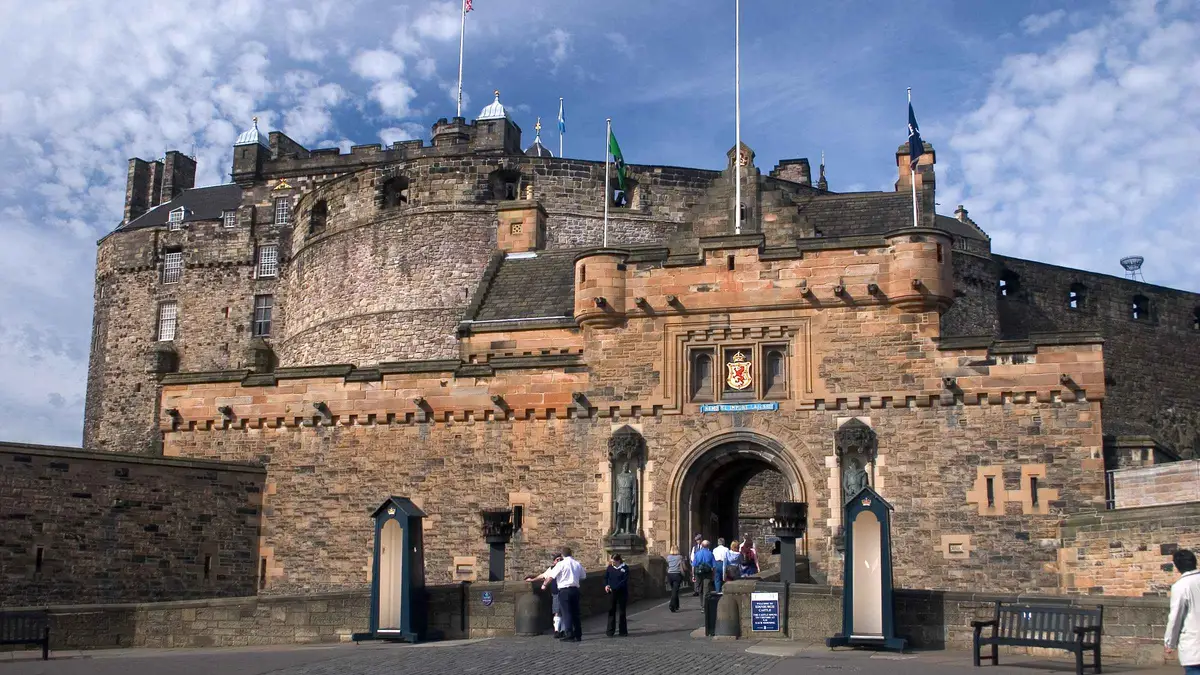 from £35
Edinburgh Castle: Guided Walking Tour with Entry Ticket
Castle entry ticket plus a 75-minute guided walk of the grounds, offered in five languages. The tour stays outdoors, and you explore the Great Hall, museums and prisons on your own afterwards.
Check Availability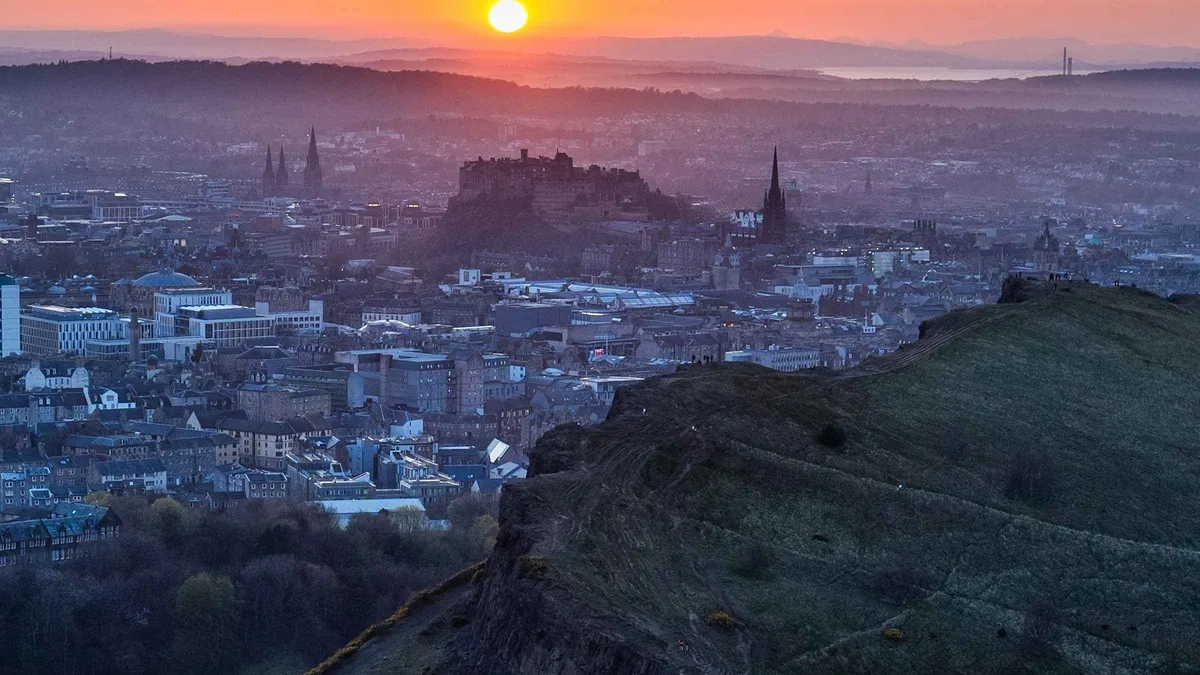 from £45
Arthur's Seat Sunset Hike
Timed so the summit lands at sunset, then a torch-lit descent on a quieter route — that timing is what the higher price buys. Led by a qualified Mountain Leader, 250 metres of climbing.
Check Availability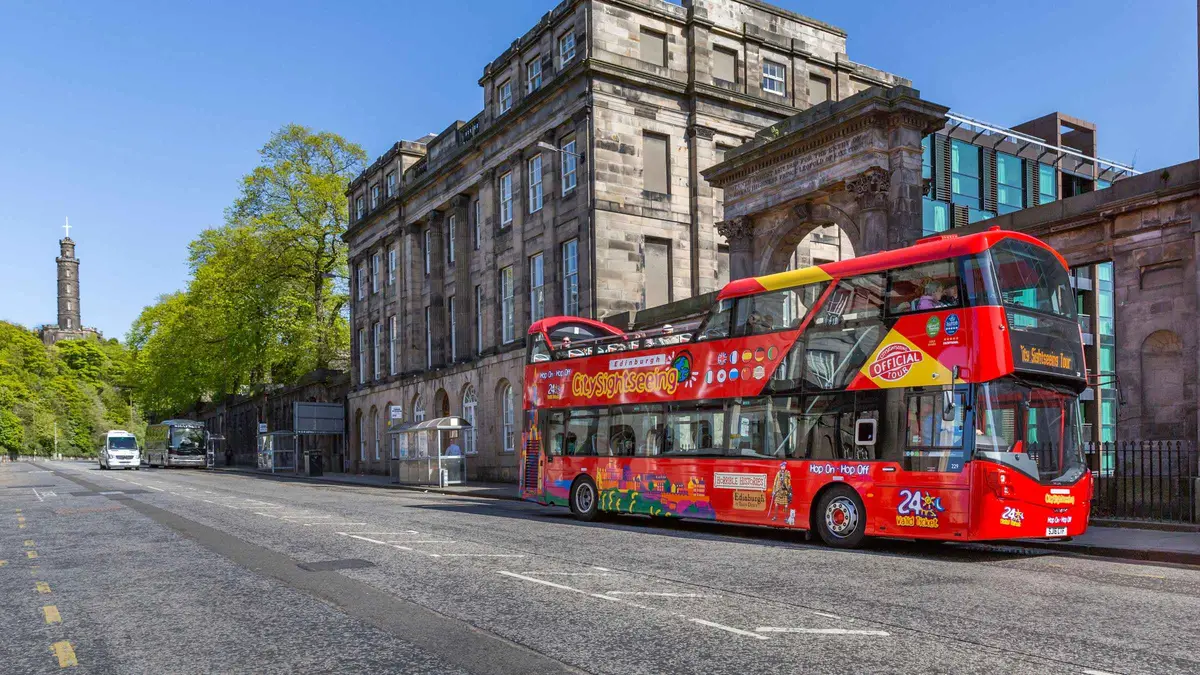 from £20
Edinburgh: City Sightseeing Hop-On Hop-Off Bus Tour
A single 24-hour ticket on one 70-minute loop of 15 stops, with a Horrible Histories children's channel. Up to three kids travel free per paying adult, which the multi-route passes do not offer.
Check Availability from £19.44
Edinburgh: Underground Vaults Tour
An hour in the South Bridge vaults with the Burke and Hare murders and the witch trials, and the Torture Exhibition as a paid-up option. The shortest of the vault tours here.
Check Availability from £66.30
Edinburgh: Loch Ness, Glencoe & the Scottish Highlands Tour
Coach day to Loch Ness where the cruise and Urquhart Castle are booking options rather than extras bought on the day. Back in Edinburgh around 20:30, with a £12 whisky film-and-dram offered at the loch.
Check Availability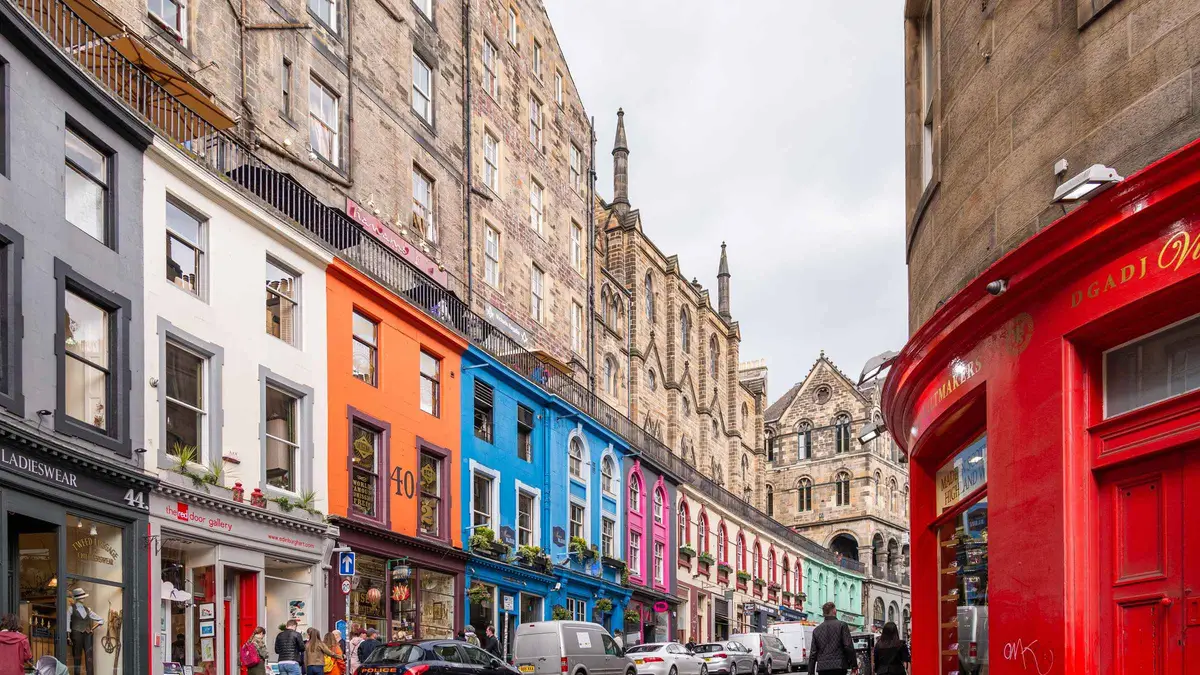 from £18
Edinburgh: Harry Potter Magical Guided Walking Tour
Two-hour walk between Greyfriars Kirkyard, Victoria Street and the Grassmarket, with a house-sorting quiz along the way. Runs in six languages, and the listing states plainly that no film scenes were shot in Edinburgh.
Check AvailabilityPrices, ratings and details are the platform's own. Pound figures are the listed prices. The platform bills in your account's currency.
What To Read Next
Three pages that turn a date into a plan.
What a trip costs
The month decides your room rate; the costs page decides everything else — a day priced two ways, the visitor levy in full, and the free half of the city that moves the total more than any month does.
The arithmeticGetting around
Fares do not change by season, but what you need does: in December you will use the bus for journeys you would walk in June. The transport page has the £5.70 daily cap and the payment rule that decides it.
£2.40 a journeyEdinburgh Castle
The sight whose calendar matters most: timed entry, an hour's difference in closing time between the seasons, and the summer sell-outs. The castle page has the slots and the layout.
Winter hours from 1 OctoberQuestions About When To Come
What is the cheapest month to come to Edinburgh?
January and February. Admission prices barely move with the season — the castle is £23.50 online (about $32) in every month — so the saving comes almost entirely from the room rate, and with it the 5% visitor levy, which is charged as a percentage of what you pay. Britannia is the one big sight that is actually cheaper in winter, at £22.00 online from November to March. The costs page prices a full day both ways.
What is the rainiest month here?
October, at 89.9 mm across 14.2 days with at least a millimetre — the highest total in the 1995–2024 ERA5 record, and higher than August's 77.8 mm. The driest month is April at 54.2 mm. The more useful figure is the annual one: 849.6 mm spread over 158.8 days, which is frequent light rain rather than heavy downpours. The month table has all twelve.
Is August a bad month to come?
Only if the festivals are not why you are coming. In 2026 the Fringe ran 7–31 August, the International Festival 7–30 August and the Tattoo 7–29 August, and for those weeks the city has more to do after dark than anywhere in Britain. It is also the most expensive month for a bed and the month when castle slots disappear first — a guided castle tour with entry included is the usual way in once the official stock has sold out.
How dark does it get in December?
Sunset is 15:38 in mid-December and sunrise 08:38, so the usable daylight is about seven hours. That is why the winter hours matter: Edinburgh Castle closes at 17:00 from 1 October with last entry an hour before, and the Palace of Holyroodhouse stops admitting at 15:15. Plan the outdoor half of the day first and the indoor half after 15:00.
Is April a good month for a first visit?
It is the driest month on the thirty-year record at 54.2 mm, the clocks have gone forward, and summer hours start at both the castle and the palace on 1 April, so a lot opens up in one week. The catch is the temperature: an average high of 10.5°C (51°F) with a 4.2°C (40°F) low is jacket weather, not sitting-outside weather. We would take late May over April if the choice is free.
When is the quietest time at the castle itself?
The first slot of the day in any month, and any day at all from November to February. Historic Environment Scotland does not publish visitor numbers by hour, so this is our reading rather than an official figure — but the mechanism is not in doubt: the coach parties arrive mid-morning, and the winter closing time of 17:00 compresses everyone into a shorter day. The ticket page has the slot rules and what happens when online stock runs out.
Edinburgh Weather And Seasons On Film
Three videos that show what the numbers above look like on the ground: the national weather picture, a spring month and an autumn one.
A Guide to Weather in Scotland
The national tourist board's own explanation of why four seasons in a day is a description rather than a joke.
Video: VisitScotlandMAY in EDINBURGH | Is this the best month to visit? Weather, events, vibes!
A month-by-month case for May, filmed in the streets the table above describes.
Video: Kakibot's GuidebookVisiting EDINBURGH in SEPTEMBER - is this the best time to come? | weather, events and more!
September on camera: the post-festival city, which our own reading of the data also picks.
Video: Kakibot's GuidebookVideos load from YouTube only when you press play.
Prices, hours and terms are set by the venue or operator and confirmed at checkout.
We may earn a commission if you book through one of our links, at no extra cost to you. Full affiliate disclosure